
October 18, 2024
iGlass Transparent Holographic Window Display System: Advantages and Benefits
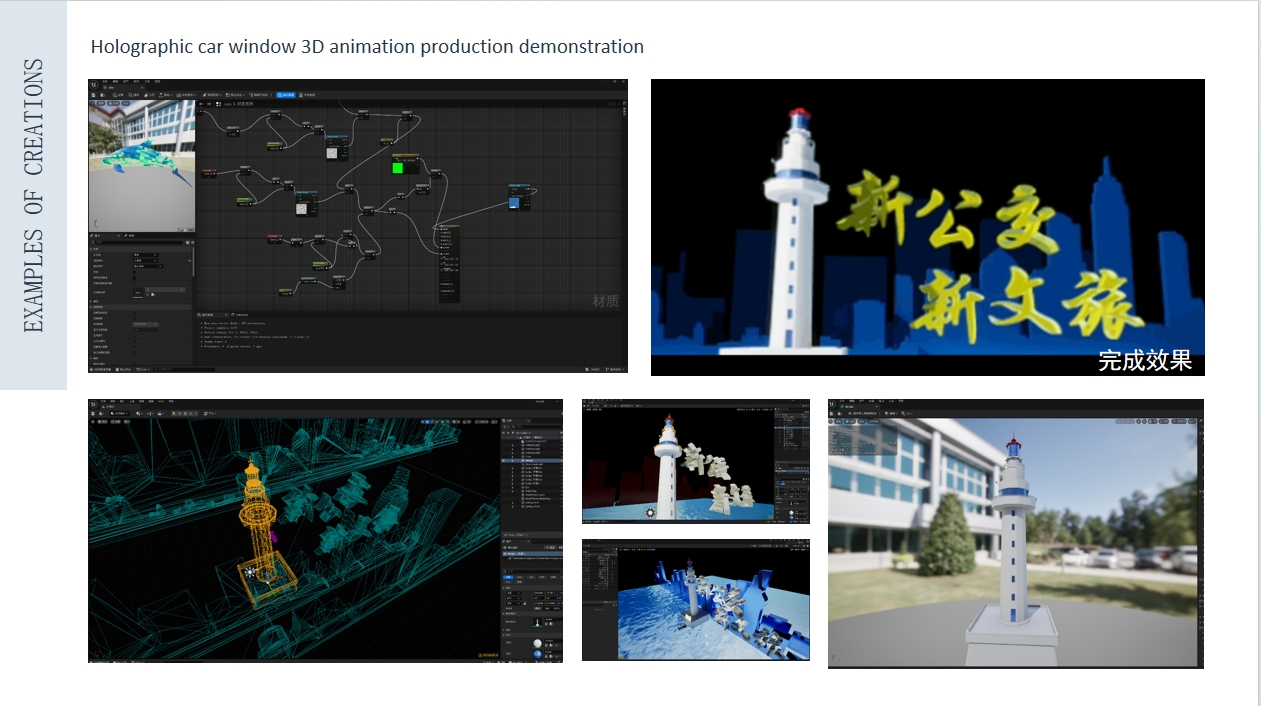
As technology in the automotive industry advances rapidly, the introduction of holographic electronic screens in cars has changed the driving experience. These screens offer a range of advantages over traditional LED screens, making them a significant point of change in automotive displays. For the iGlass transparent holographic window display system, the value lies in how these display advantages translate into the experience of drivers and passengers inside the vehicle.
Technology Background: Holographic Screens in the Vehicle
Holographic electronic screens bring a different kind of display into the car interior. Rather than relying on a conventional flat panel, they project images in three dimensions, creating a sense of depth and dimension that simply cannot be achieved with traditional flat screens. This immersive viewing experience improves the aesthetic appeal of the car's interior and enhances the overall driving experience for passengers.
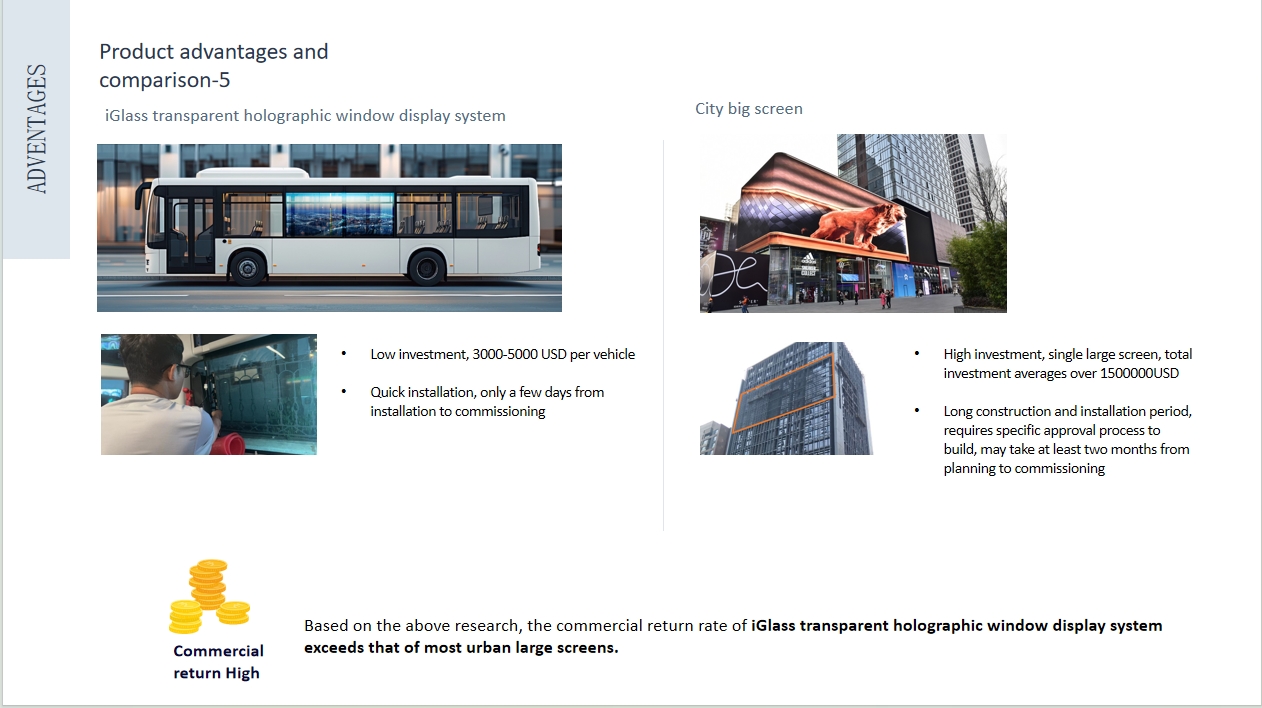
Holographic Displays vs. Traditional LED Screens
Traditional LED screens are flat, and they can be distracting and difficult to read while driving. Holographic screens instead provide a clear and concise display that is easy to read at a glance. The difference is not only in how the image looks, but also in how much attention the driver has to give it.
Holographic screens are also more versatile and customizable than LED screens, because they can adapt to different viewing angles and lighting conditions. That flexibility helps keep information visible for drivers and passengers alike.
Key Technical Advantages
Immersive Three-Dimensional Visual Quality
By projecting images in three dimensions, holographic screens create depth and dimension that traditional flat screens cannot match. The result is a more immersive and realistic viewing experience inside the car.
Versatility and Customization
The same display can be customized to show a wide range of information, from navigation maps and entertainment options to vehicle diagnostics and safety alerts. Because the screen adapts to different viewing angles and lighting conditions, visibility remains optimal for drivers and passengers.
Reduced Driver Distraction
Because the display is clear and concise and easy to read at a glance, drivers need to take their eyes off the road less often. This improves safety and helps minimize the risk of accidents.
Energy Efficiency and Display Longevity
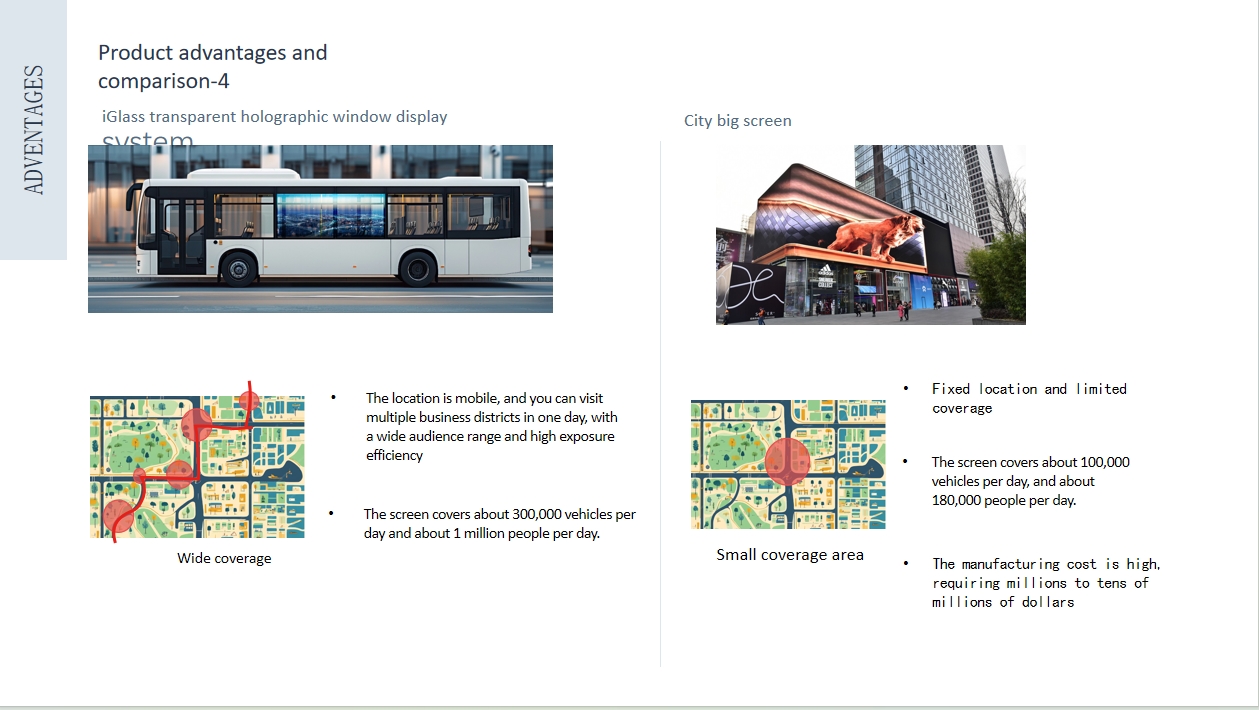
Holographic electronic screens are more energy efficient than LED screens, consuming less power and prolonging the lifespan of the display. This reduces the overall energy consumption of the vehicle, lowers maintenance costs, and improves the longevity of the screen.
Applications and Benefits in the Vehicle
Inside the vehicle, the display can present navigation maps, entertainment options, vehicle diagnostics, and safety alerts in a form that is easy to read. For passengers, the three-dimensional presentation makes the cabin experience more engaging; for drivers, the concise presentation supports attention on the road. Taken together, these benefits point to lower energy use and lower maintenance costs over the life of the display.
Conclusion
Overall, the advantages of holographic electronic screens in cars far outweigh those of traditional LED screens. With superior visual quality, versatility, and safety features, these screens are quickly becoming the new standard in automotive displays. As technology continues to evolve, holographic electronic screens are sure to play a key role in shaping the future of the automotive industry.